FDOT’s Solution-Driven Approach to Addressing Transportation Workforce Challenges Across the State
FDOT’s Solution-Driven Approach to Addressing Transportation Workforce Challenges Across the State
by: Hannah Shellabarger, Deputy Communications Director, Florida Department of Transportation
Now more than ever, Florida’s growing transportation system is depending on a pipeline of strong, skilled talent to support the increasing transportation needs of its residents, visitors, and businesses. The Florida Department of Transportation (FDOT) plays a major role in this effort, striving to adapt to today’s workforce challenges while creating pathways that support future transportation through the development of new programs and resources to bring more workers into the industry and support their long-term career success, including job-readiness support, internships, hiring events, and partnerships with training providers to strengthen this talent pipeline.
Maintaining Florida’s robust transportation network is essential to the state’s economy and quality of life, making a strong workforce a top priority. Currently, the number of upcoming transportation projects is outpacing the available workforce needed to deliver them. Over the next decade, Florida expects more than 15,000 new transportation projects, and FDOT’s current 2025-2029 Work Program includes more than 8,000 projects, demonstrating the scale of ongoing statewide infrastructure work. As such, FDOT’s workforce pipelines extend across the state, supported by strong partnerships with the industry, community organizations, and other agencies. Workforce development initiatives are designed to prepare individuals for high-demand roles in construction and transportation, helping ensure that Florida has the talent needed to deliver safe and reliable infrastructure. These initiatives reach a wide range of populations across Florida including students, veterans, returning citizens, career explorers, and local communities.
The workforce challenges here in Florida reflect a national trend. Across the country, the transportation industry is experiencing a widening skill gap, and job demand outpaces the number of workers entering transportation, construction, engineering, and skilled trade programs. Nationally, 45 percent of transportation workers are 45 or older, and 1 in 4 transportation workers are set to retire by 2030.
Furthermore, enrollment in transportation-related university majors and technical programs is not keeping up with the workforce needed to support the state’s infrastructure needs. A significant portion of Florida’s future transportation jobs will require a twoyear degree, technical credential, or higher, yet current enrollment levels show major shortages in these fields.
Florida faces a current education pipeline deficit of approximately 13,500 students in university programs tied to engineering and transportation, and an additional 21,000 students in trade and technical programs related to construction and transportation careers. These shortages contribute directly to the workforce gap, a challenge intensified by rapid population growth, increasing infrastructure demands across the state, and the need for critical trade, transportation, and utilities jobs growing by 24% by 2030. The skills gap is also driven by workforce demographics: many experienced workers are approaching retirement, and with fewer young people entering transportation and construction careers, the gap in both experience and technical knowledge continues to widen.
With this in mind, FDOT is taking a multipronged approach to connecting Florida’s talented workforce with lifelong transportation careers. Alongside the introduction of FDOT’s Moving I-4 Forward Program, the Department developed the Florida Transportation Academy – Construction Division to bridge the gap in training new workers and supporting FDOT employees already working on transportation projects. This paid, six-week training program is designed to expand the pool of skilled laborers to help deliver the transformational infrastructure projects currently underway on the I-4 corridor, which requires more than 1,500 skilled workers to meet Central Florida’s heavy transportation needs. After four weeks of classroom and simulation training, participants either continue with heavy equipment operations in the field or choose to earn a Commercial Driver’s License. These are key skills that open doors to long-term career growth in the construction industry, and FDOT was proud to celebrate the program’s first graduating class in 2025. In this program, industry and community partners contribute valuable expertise, resources, and on-the-ground insight that enhance FDOT’s training and career programs, making them more effective for both job seekers and employers. This collaboration creates a well-rounded approach that helps Florida’s communities grow and thrive.
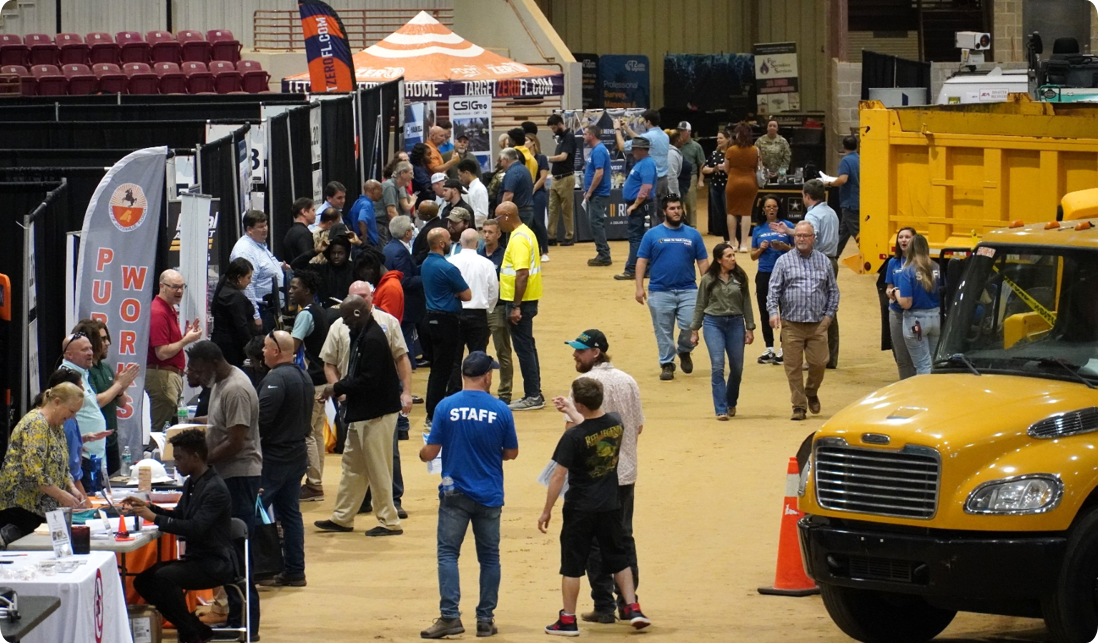
Additionally, FDOT is also addressing the transportation workforce gap through its Road to Your Future hiring events. Road to Your Future is FDOT’s statewide transportation industry hiring initiative, launched in 2024 to help strengthen Florida’s transportation workforce by connecting job seekers directly with employers. The program has expanded quickly, with FDOT expected to host the most events yet in 2026. More than 140 transportation industry partners have participated in these events, helping job seekers explore roles in engineering, skilled trades, heavy equipment operation, maintenance, administration, and more. These events offer the unique opportunity for on-site interviews, immediate hiring opportunities, and access to a broad range of transportation careers, supporting FDOT’s broader goal of building a strong talent pipeline to meet Florida’s growing infrastructure needs and ensure the continued delivery of a safe, efficient transportation system.
Looking even further ahead, success for the next generation of our infrastructure workforce doesn’t have to include a college degree. FDOT has partnered with the American Association of State Highway and Transportation Officials on Science, Technology, Engineering, and Mathematics (STEM) outreach programs to spark students’ interest in transportation in middle and high school. These programs are hands-on educational modules designed to introduce students to the diverse array of transportation careers by encouraging young people to build on their natural technical abilities. Connecting with them at key moments, such as career planning or post-graduation, introduces opportunities they may not have considered before. FDOT’s goal is to raise interest and incentivize those with talent and willingness to develop the skills needed for these roles.
Through a clear, data-driven strategy focused on talent and tools, FDOT continues to strengthen Florida’s transportation workforce. With these efforts, FDOT is continuing to lead the nation in workforce development and innovation.